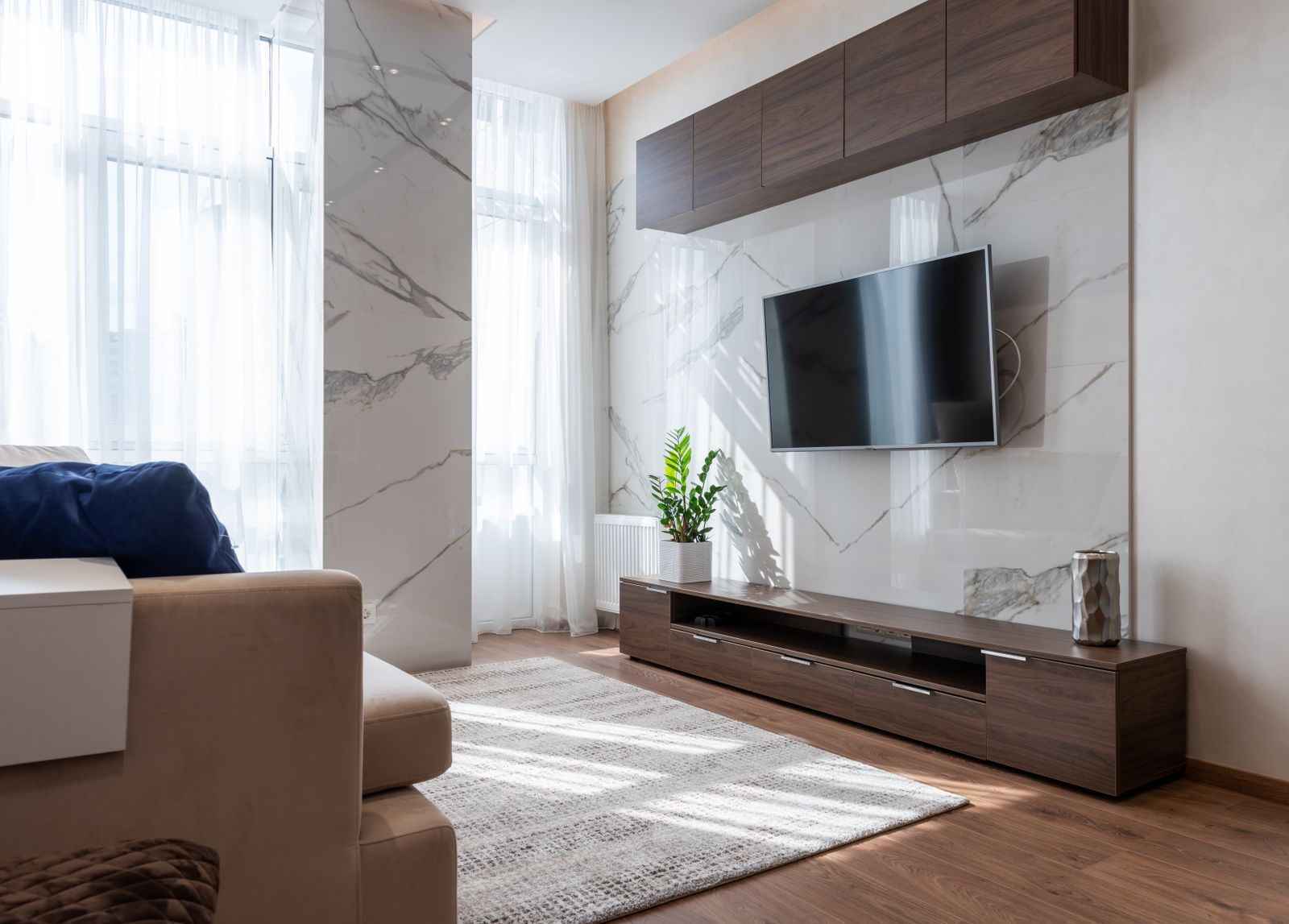
For years the goal was a perfectly flat, perfectly even, perfectly painted wall. In 2026 that's suddenly the boring option. The defining shift this year is texture coming back to walls — limewash, plaster, fluted wood, slatted panels, natural stone — and it's the single fastest way to make a room look considered instead of builder-standard.
The reason is light. A flat painted wall looks the same at 8am and 8pm. A textured wall changes all day as the light rakes across it, throwing soft shadows and shifting tone. It gives a room depth that no amount of flat paint can buy. Here's what's actually worth doing.
Limewash — the easiest win
If you do one thing on this list, do this. Limewash is a mineral paint that dries with soft, cloudy movement — subtle tonal variation across the wall instead of one dead-flat colour. It looks like the wall has depth and age even when it's brand new, and it shifts beautifully as the light changes through the day.
It's also forgiving and (relatively) cheap, applied with a brush in loose crosshatch strokes. In warm earthy tones — clay, oat, terracotta — it's basically the texture and the warm colour trend in a single coat.
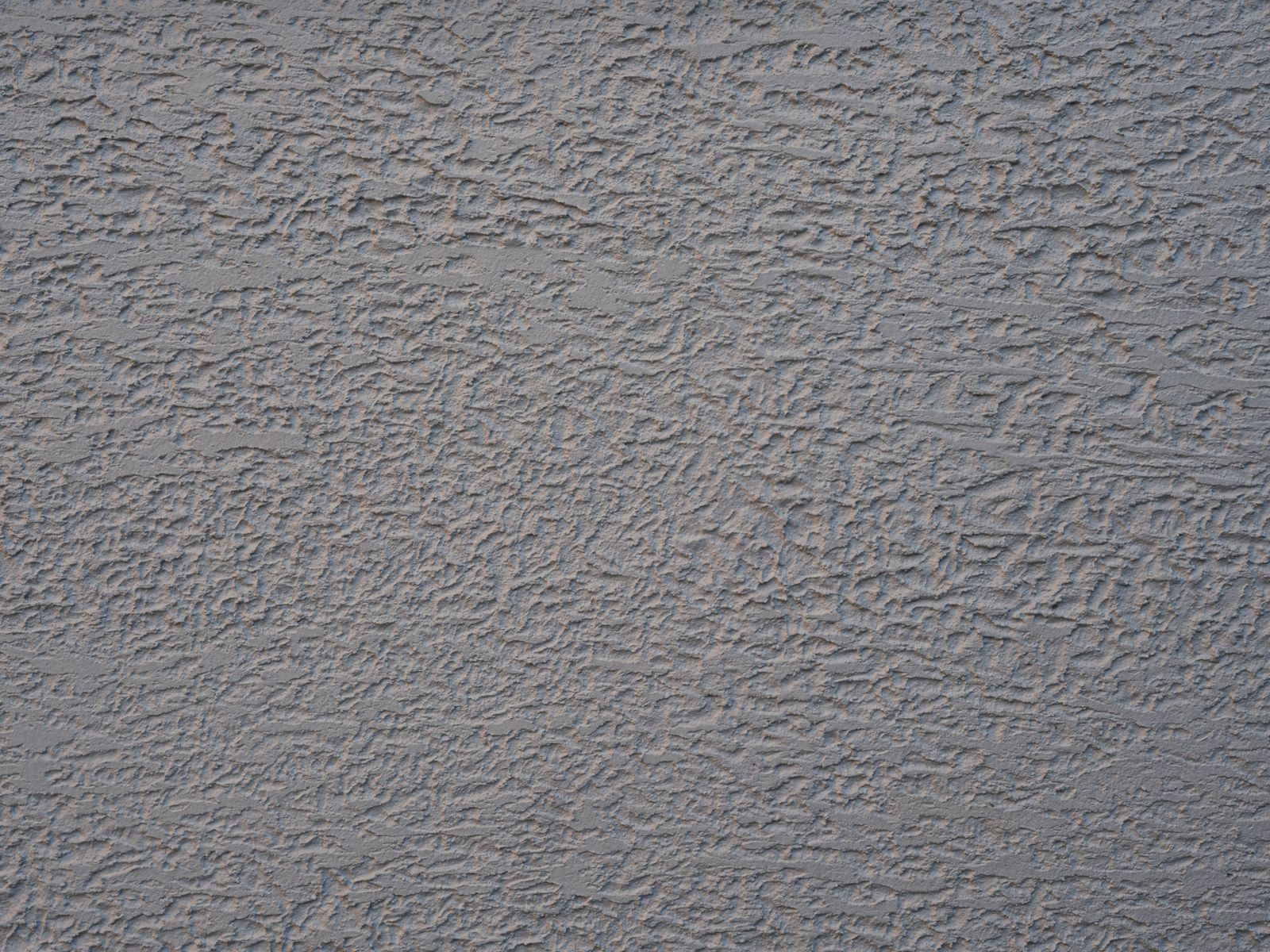
Fluted and slatted wood — high impact, use once
Fluted wood (tight vertical half-round ribs) and slatted panelling (spaced timber battens) are everywhere in 2026, and for good reason: vertical lines make a wall feel taller, the ribs catch light and shadow, and the warmth of real timber does a lot of work in a minimal room.
Fluting works with nearly every style — it softens a modern room and adds quiet drama to a plain one. Just never do it to more than one wall.
That's the whole caveat. Fluted wood on one feature wall — behind the bed, behind the TV, framing an entryway — looks architectural and expensive. The same panelling on every wall turns a room into a sauna. Pick one wall and commit.
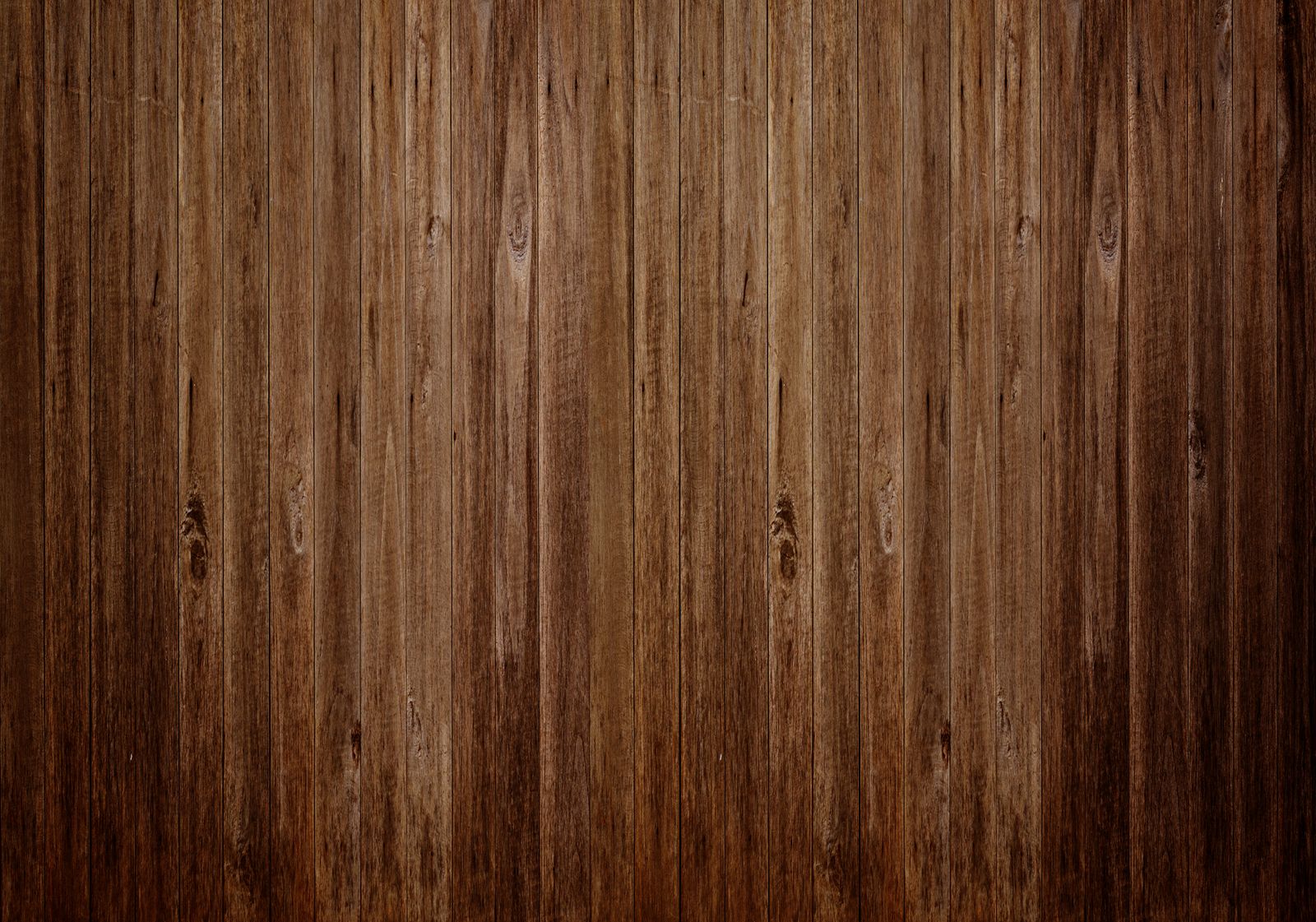
Plaster and microcement — the grown-up option
Polished plaster and microcement give a seamless, hand-worked, faintly stone-like finish with no grout lines and a subtle depth that reads genuinely high-end. It's the most expensive option here and the one most dependent on a skilled hand — a bad plaster job looks worse than plain paint. If the budget's there and the installer is good, nothing else looks quite like it. If not, limewash gets you 80% of the feeling for a fraction of the cost and risk.
Natural stone — for the one big moment
Marble, travertine and slate on a fireplace surround, a feature wall or a big coffee table are having a real moment as the "quiet drama" element in an otherwise calm room. This is a splurge, so spend it in one place where it counts — a single stone surface against warm neutrals does far more than stone scattered everywhere.
The rule that saves you from yourself
Texture is addictive, and that's the danger. Limewash on one wall, fluting on another, stone on a third, plaster in the hallway — each is lovely alone, and together they fight. The rooms that get this right are disciplined: one hero texture per room, everything else calm around it. The texture should be the thing your eye lands on, which only works if it isn't competing with three others.
Try it before you commit — texture is hard to undo
Here's the catch with every option on this list: it's permanent, or close to it. You can repaint a flat wall in an afternoon. Ripping out fluted panelling or bad microcement is a proper job. And texture reads very differently depending on your room's light — limewash that looks soft and atmospheric in a sunny space can look patchy and uneven in a dim one.
So before you commit the wall, see the look in a photo of your actual room first — against your light, your floor, your furniture. You can mock it up free in RoomTourAI, and know it works before anyone picks up a trowel.
Photography via Pexels: Max Vakhtbovych, Ksw Photographer, Engin Akyurt.